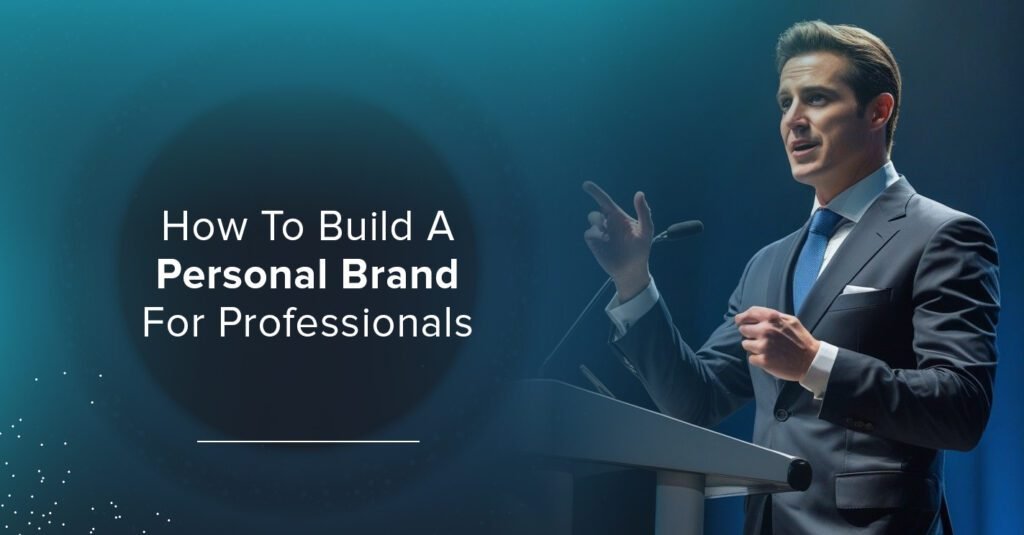
In a world where information moves at lightning speed, personal branding has become a critical factor in career success. Whether you’re an employee, entrepreneur, consultant, or freelancer, your personal brand defines how others perceive your expertise, trustworthiness, and professional identity.
Today, people don’t just buy products or services — they believe in the people behind them. Building a strong personal brand helps you stand out, attract the right opportunities, and build long-term credibility in your industry.
What Is a Personal Brand?
A personal brand is the unique combination of skills, values, experiences, and personality that you share with the world. It’s how people remember you, talk about you, and recommend you.
In the digital era, your personal brand lives across multiple touchpoints — your website, social media presence, public speaking engagements, and even how you respond to messages or comments.
A powerful personal brand doesn’t happen by chance — it’s built through consistent strategy, visibility, and authenticity.
STEP 1: DEFINE YOUR CORE IDENTITY
Your journey begins with clarity. Ask yourself the following:
- What do I want to be known for?
- Who is my ideal audience?
- What values and expertise define my professional journey?
Your core identity forms the foundation of your personal brand. It includes your skills, mission, and the impact you want to make. The clearer your focus, the stronger your message will be.
STEP 2: DEVELOP A UNIQUE VALUE PROPOSITION
What sets you apart from others in your field? Your unique value proposition (UVP) explains why people should trust, follow, or hire you.
To define your UVP:
- Identify your strongest skills.
- Highlight measurable results you’ve achieved.
- Emphasize what you do differently or better.
For instance, if you’re a marketing strategist, your UVP might be: “Helping brands grow through data-backed storytelling.” This statement reflects both your expertise and approach.
STEP 3: CRAFT YOUR VISUAL AND VERBAL IDENTITY
Your visual identity — including colors, fonts, photography style, and logo — should reflect your personality and profession. Pair it with a consistent verbal tone that mirrors your communication style.
Whether it’s your email signature, website banner, or LinkedIn headline, consistency creates familiarity. Over time, people begin to associate these elements with your credibility.
STEP 4: BUILD AND OPTIMIZE YOUR ONLINE PRESENCE
Your online presence is where your personal brand comes alive. In the digital-first world, the majority of impressions are formed online before an actual conversation happens.
Focus on these key platforms:
- LinkedIn: Optimize your headline, summary, and experience with relevant keywords.
- Personal Website: A portfolio site or blog serves as your professional hub.
- Professional Profiles: Keep all bios consistent and engaging.
To further enhance visibility, consider Answer Engine Optimization (AEO) and Generative Engine Optimization (GEO) — strategies that make your content more discoverable through AI-driven search engines and voice-based platforms.
STEP 5: CREATE HIGH-VALUE CONTENT
Content is the backbone of your personal brand. It demonstrates your knowledge and helps your audience trust your expertise.
You can create:
- Educational blogs that solve common problems.
- Short videos that share quick insights or tutorials.
- Thought leadership articles that highlight your opinions on industry trends.
Remember — quality beats quantity. Focus on content that answers questions, adds value, and positions you as an authority in your niche.
STEP 6: ENGAGE AND BUILD GENUINE CONNECTIONS
Your personal brand thrives when you engage meaningfully. Building a community around your expertise can amplify your reach.
Ways to engage include:
- Interacting with others on social media through comments and discussions.
- Joining professional forums or online groups.
- Attending webinars and contributing to conversations.
Engagement builds trust, visibility, and relatability — three pillars of an authentic personal brand.
STEP 7: SHOWCASE TESTIMONIALS AND ACHIEVEMENTS
Social proof is one of the strongest tools in personal branding. People trust what others say about you more than what you say about yourself.
Collect client testimonials, peer endorsements, and success stories to highlight your credibility. You can also showcase awards, media mentions, or certifications to strengthen your authority.
STEP 8: BE CONSISTENT AND AUTHENTIC
The foundation of any strong personal brand is authenticity. Your audience should feel that your online persona reflects your real-world personality and values.
Stay consistent in tone, posting schedule, and messaging. Authenticity attracts long-term trust, while inconsistency creates confusion.
STEP 9: MONITOR AND IMPROVE YOUR BRAND PERFORMANCE
Building a personal brand is a continuous process. Track your progress using tools like Google Analytics, LinkedIn Analytics, or social media insights to understand what resonates most with your audience.
Evaluate metrics like engagement, follower growth, and content reach. Adjust your strategy to focus on what’s working and eliminate what’s not.
Step 10: Evolve with Technology and Trends
The personal branding landscape is constantly changing. With the rise of AI-powered search, voice search optimization, and generative content engines, it’s essential to adapt.
By integrating semantic optimization, structured data, and AI-friendly formats, your content becomes easier for search engines and AI systems to understand — increasing your visibility in new, conversational ways.
CONCLUSION
Building a personal brand for professionals is about shaping how others perceive your expertise, credibility, and authenticity. It’s not just about visibility, it’s about value.
A successful personal brand requires self-awareness, consistent effort, and a strong digital presence. By defining your purpose, crafting your identity, sharing valuable insights, and engaging with authenticity, you can establish a personal brand that speaks louder than any résumé ever could.
The world is full of professionals, but only a few are remembered. Make your brand the one people recognize, trust, and recommend.